Insights
Why Coastal Walkways Need More Than a Good View
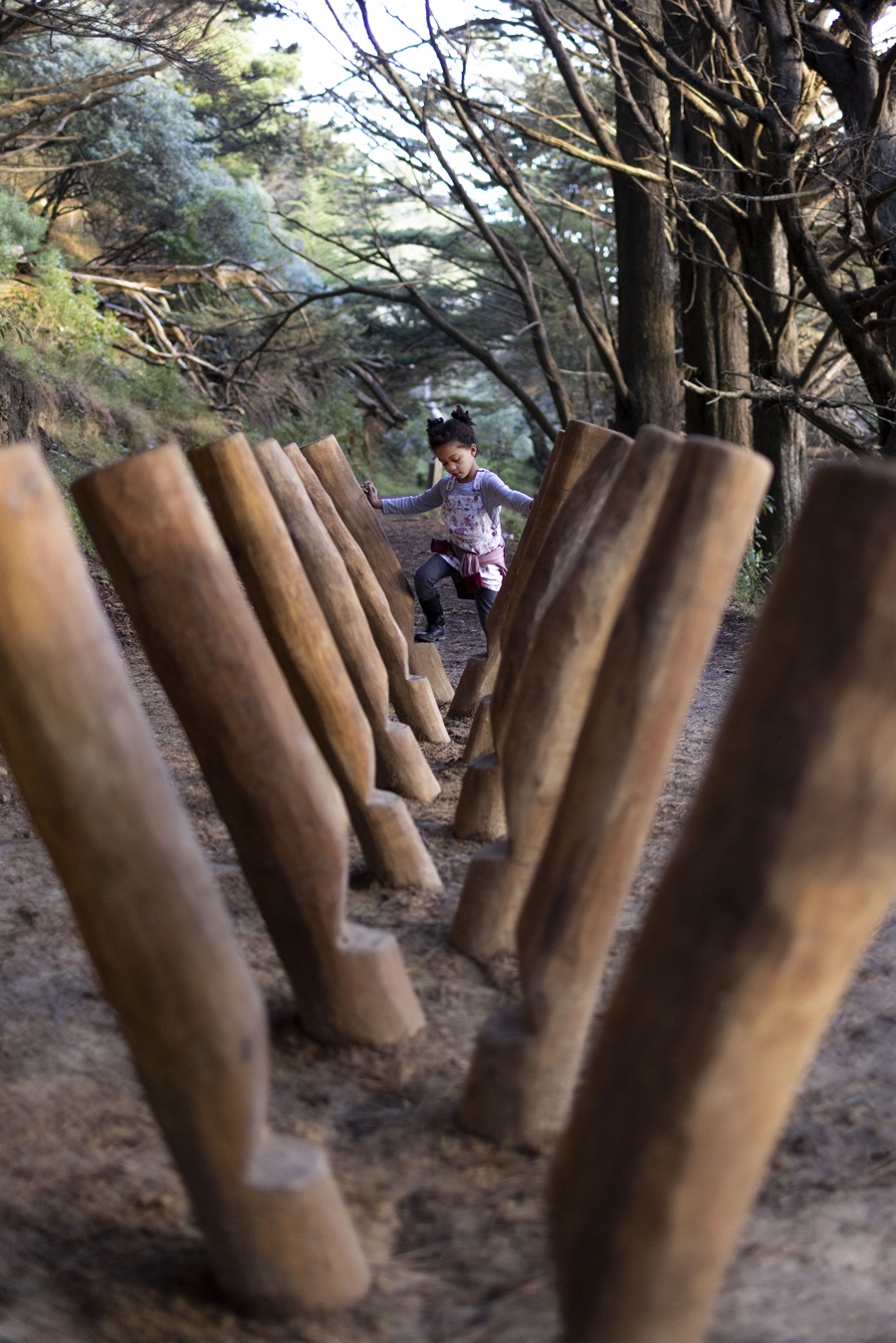
Wellington's coastal walkways are some of the most-loved public spaces in the region, and they sit in some of the most punishing conditions we build in. Wind, salt, driven rain and the occasional storm surge all work against anything placed on the coast, so a walkway that will still be there and still be safe in fifteen years takes far more than a nice alignment and a handrail.
The first job is understanding the edge. Coastlines move, erode and get overtopped, so we look at how the sea behaves at the specific site before we commit to a line. Sometimes the right answer is to hold the edge with retaining and armour; sometimes it is to step back and let the sea have its space. Reading that correctly is the difference between a durable asset and an expensive repair schedule.
Drainage and materials do the quiet work. Surfaces are detailed to shed water quickly so they do not become slick or undermined. Structures use corrosion-rated fixings and finishes chosen for a marine environment. Timber, steel and concrete are each used where they perform best rather than for the sake of a single look.
Access and staging matter too. Many coastal sites are hard to reach and stay open to the public during construction, so we plan material handling and site safety carefully to protect both the workers and the people still using the area.
Done well, none of this is visible. The walkway simply feels solid underfoot, frames the view, and keeps doing its job through every season. That quiet reliability is the whole point.